Chapter 6 Scarcity mindset
6.1 In a nutshell
The last point on the list of relevant criticism of current applied behavioural science in (Hallsworth 2023bHallsworth, Michael. 2023b. “A Manifesto for Applying Behavioural Science.” Nature Human Behaviour 7 (3, 3): 310–22. https://doi.org/10.1038/s41562-023-01555-3.) is:
Homogeneity of participants and perspectives
The range of participants in behavioural science research has been narrow and unrepresentative; homogeneity in the locations and personal characteristics of behavioural scientists influences their viewpoints, practices and theories.
This lecture explores this topic in more detail. The increasing reliance on group-dependent cognitive processes (cooperation, reputation, social norms) have highlighted the need for an evidence base from more diverse populations and groups. Beyond that, I want to highlight the fact that resources-constrained environments elicit well-documented behavioural responses which are often further away from the rational agent model. This leads to mistakenly think that poor, precarious people are more biased, when in fact they adopt survival strategies which make sense in such an environment. The flip side is that these strategies tend to survive the spells of deprivation, and influence for a long time the behaviour of people with experience of such spells.
6.2 Whose behaviour?
Through biases, heuristics and models, we have been looking at broadly universal features of the human mind and behaviour, such as loss aversion, availability heuristic, or the dual-system model of human decision-making. The same holds for key components of behaviours rooted in the basic functioning of human groups: conditional cooperation, cheaters detection and avoidance, preference for fairness. Various examples have also made us aware that large variations exists within and between groups. For a policy-maker, this heterogeneity cannot be taken as granted: by its very action, the policy may (and may want to) move the borders of groups, norms, and individual behaviours. To understand what’s going on, we thus need to understand why these feature came about in the first place, that is, the complex interplay between adaptive answers to an evolving environment, shaped by a distinct history.
This idea has been summarised by (Henrich et al. 2010Henrich, Joseph, Steven J. Heine, and Ara Norenzayan. 2010. “The Weirdest People in the World?” Behavioral and Brain Sciences 33 (2-3): 61–83. https://doi.org/10.1017/S0140525X0999152X.) under the WEIRD acronym, referring to the most frequent set of population behavioural experiments have been conducted on: Western, Educated, Industrialized, Rich, Democratic. There is probably a “Y”, for “Young” missing somewhere, since a large share of the samples are college students. The advent of platforms such as Amazon MTurk or Prolific have somewhat diversified the pool of subject candidates, but these come with their own biases: by construction, they recruit only people with a reliable internet access, and ready to engage into surveys, experiments, and micro-tasks in exchange of payment, which mean that they lack better employment prospects — hardly a good sample of the general population. We also still lack strong evidence on older people.
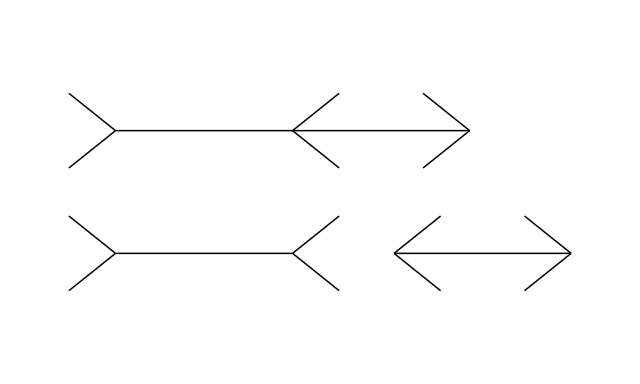 Figure 6.1: Sample of the Müller-Lyer illusion
As a research community, we have thus vastly overestimated the generality of our results, and under-considered the variety of cognitive styles, be they from biological or cultural of origin. For me, a “Aha!” moment was when I was told that the Müller-Lyer illusion is actually not universal, and is more pronounced in European populations, and in urban populations worldwide — a result which dates back to the beginning of the XXth century, and robustly established by (Segall et al. 1966Segall, Marshall H., Donald T. Campbell, and Melville J. Herskovits. 1966. “The Influence of Culture on Visual Perception.” In Social Perception. Bobbs-Merrill.).
A rich set of explanations on why this illusion may stem from an optimal adaptation of our cognition for depth perception have been put forward (see the linked Wikipedia page for details), stemming from the idea that the illusion was a consequence of the exposure of European and urban populations to more straight lines, and therefore relying on them to evaluate depth. Research from the statistical and computational modelling of the human eye, such as (Howe and Purves 2005Howe, Catherine Q., and Dale Purves. 2005. “The Müller-Lyer Illusion Explained by the Statistics of Image–Source Relationships.” Proceedings of the National Academy of Sciences of the United States of America 102 (4): 1234–39. https://doi.org/10.1073/pnas.0409314102.; Zeman et al. 2013Zeman, Astrid, Oliver Obst, Kevin R. Brooks, and Anina N. Rich. 2013. “The Müller-Lyer Illusion in a Computational Model of Biological Object Recognition.” PLOS ONE 8 (2): e56126. https://doi.org/10.1371/journal.pone.0056126.), suggest however that it may be a fundamental feature of our visual system. If so, the immunity to this illusion would be a acquired trait, and not the other way around.
In rich countries we tend to overestimate the level of education of the general population, especially the older generations. The massification of higher education is recent, and skews our perceptions. In France, less than half of people over 55 have completed secondary education.
Figure 6.2: Distribution of the level of education in the French population, by age bracket
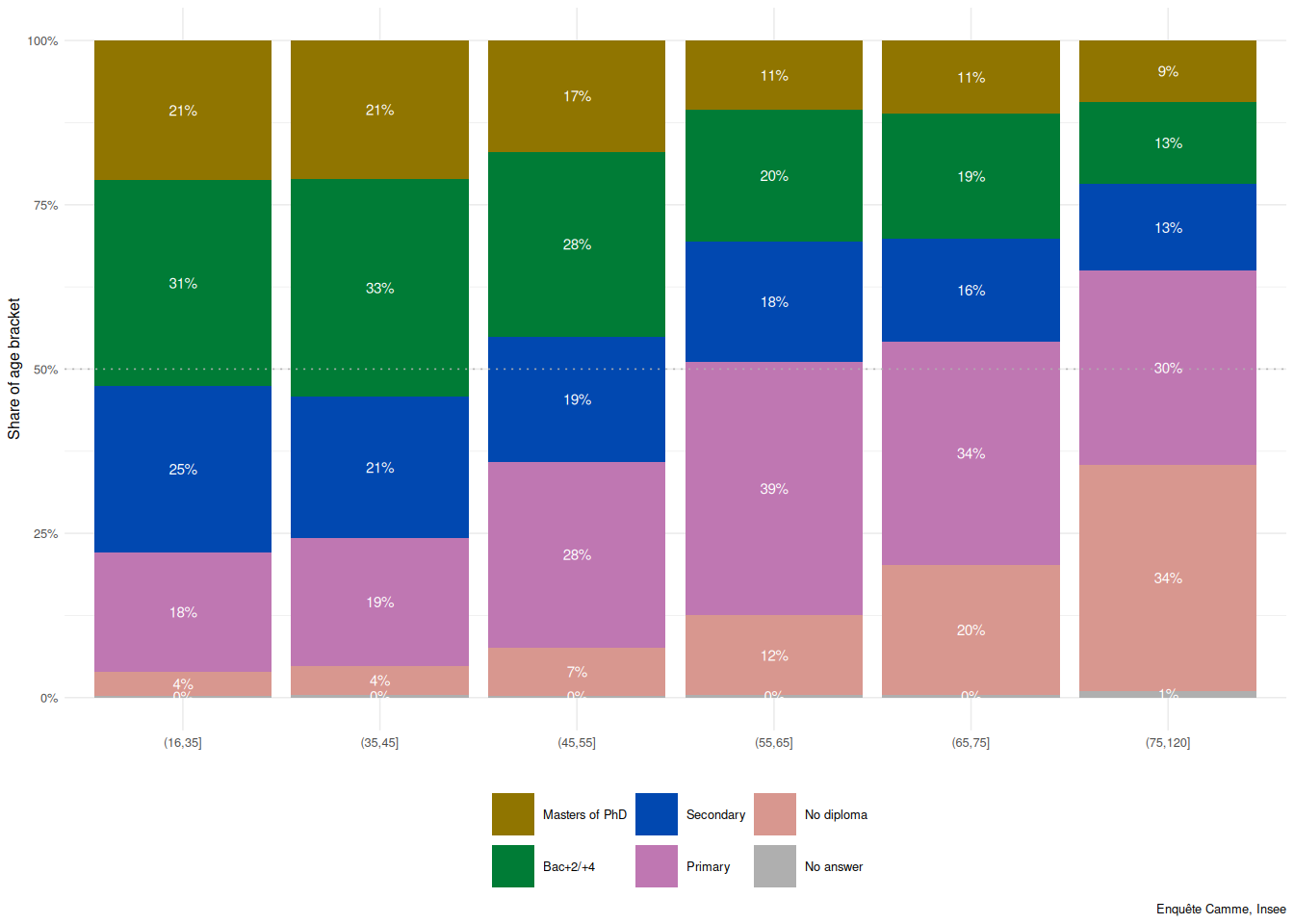
We know for example that the level of interpersonal trust is strongly correlated with the level of education (all other things being equal, see (Beasley et al. 2018Beasley, Elizabeth, Madeleine P’eron, and Mathieu Perona. 2018. Diplôme, Revenu Et Confiance. Nos. 2018-06. CEPREMAP. https://www.cepremap.fr/2018/10/note-de-lobservatoire-du-bien-etre-n2018-06-diplome-revenus-et-confiance/.) for the French case), and trust conditions the responses to the experimental setting, and to many conditions — we say last time that trust that the experimenter would make good on the promise of an additional treat was instrumental to children propensity to wait in the marshmallow experiment.
6.3 Poverty and affluence
6.3.1 Between-country inequalities
Despite decades of convergence, inequalities between countries remain staggering. In 2017, life expectancy was 84 years in Japan, and 52 in Sierra Leone. While this is a marked improvement over the global average of 29 in 1800 (mainly thanks to a sharp reduction of child mortality), this is still a massive difference.
Figure 6.3: Selected indicators of global inequalities, M. Roser for Our World in Data
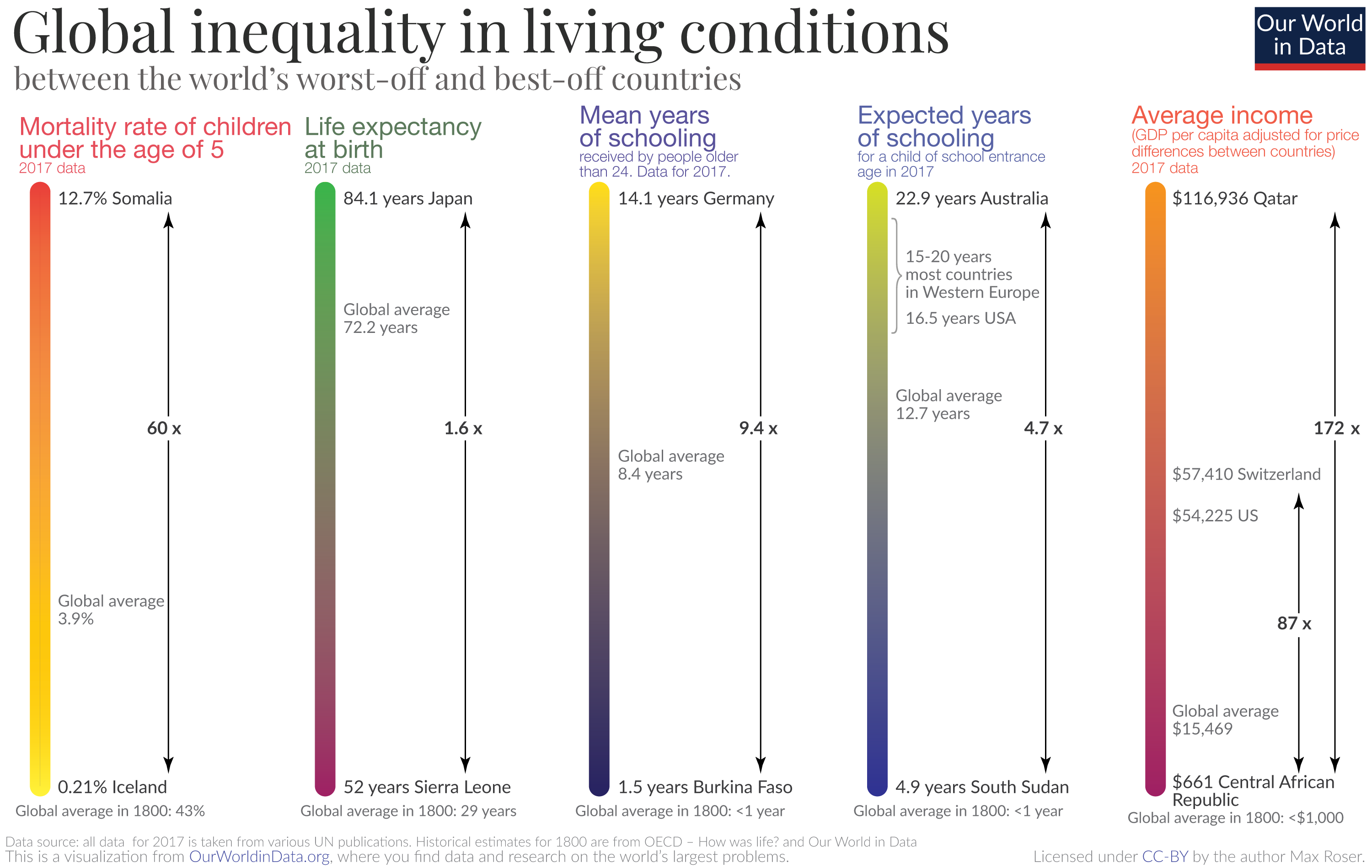
Practically speaking, this means that even in the best of cases, experimental samples will overwhelmingy come from countries where it is possible to run experiments and to publish them in (often expensive) English-speaking journals.
6.3.2 Within-countries inequalities
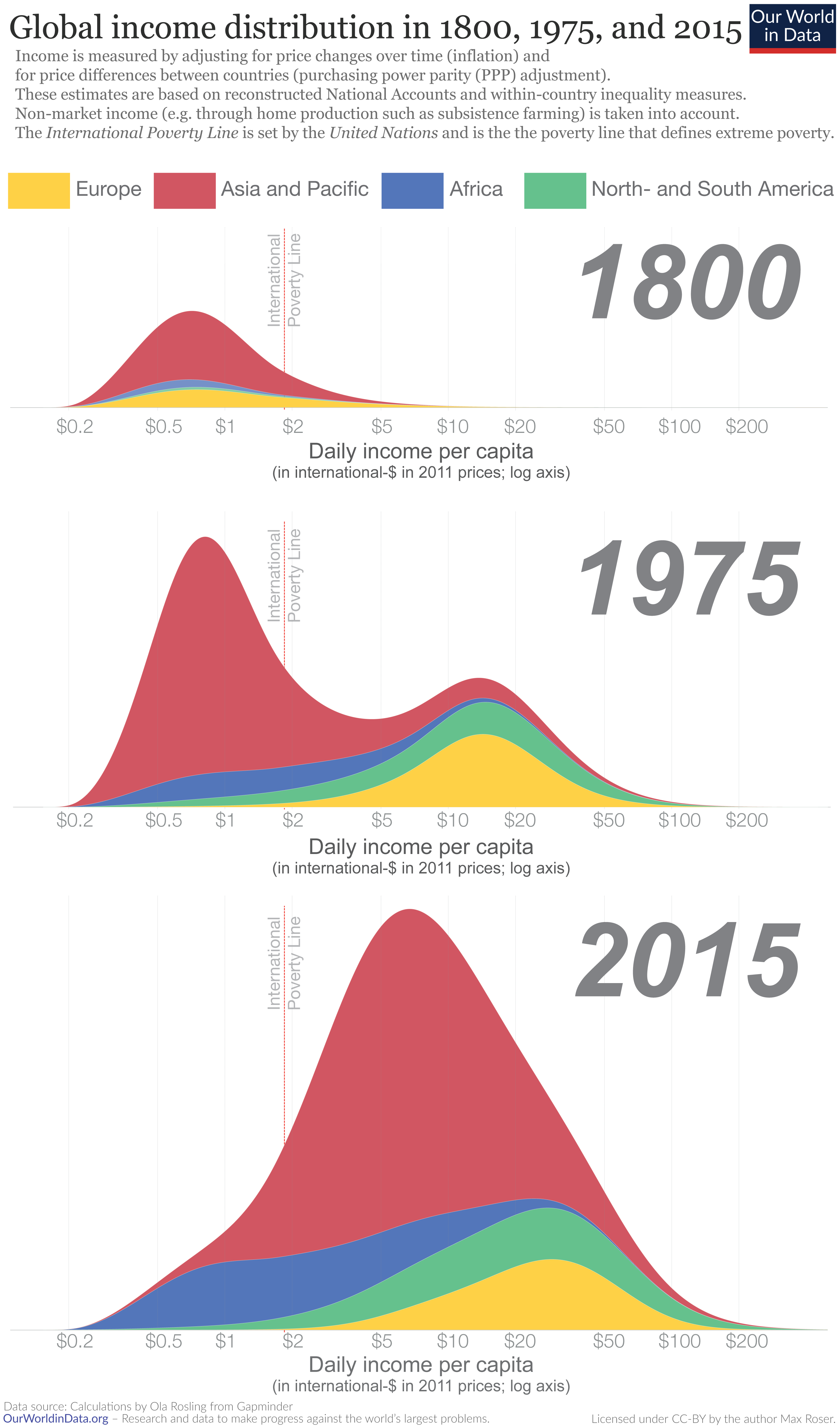 Figure 6.4: Evolution of the world income distribution, 1800-2015, M. Roser for Our World in Data
When I was young, I used to hear that you were better off as a homeless person in New York than a peasant in China. The frequency of famines in China made the assertion plausible at the time. It is almost certainly false now. As we see in the chart from Our World in Data (note the log income scale), the majority of humanity has cleared the absolute poverty rate between 1975 ad 2015 — India and China representing the largest part of the move. Another information in this chart is that the dispersion within each continent remains very wide. This is true also within countries: income inequalities within countries became more important than within countries somewhere around 1992. This means that many interventions you may have to conduct may include people in various deprivation states, whose life experience is very remote from yours, and who may behave in ways you do not expect, and still make a lot of sense considering their situation.
6.3.3 Will I have poor people in my target population? Yes, likely.
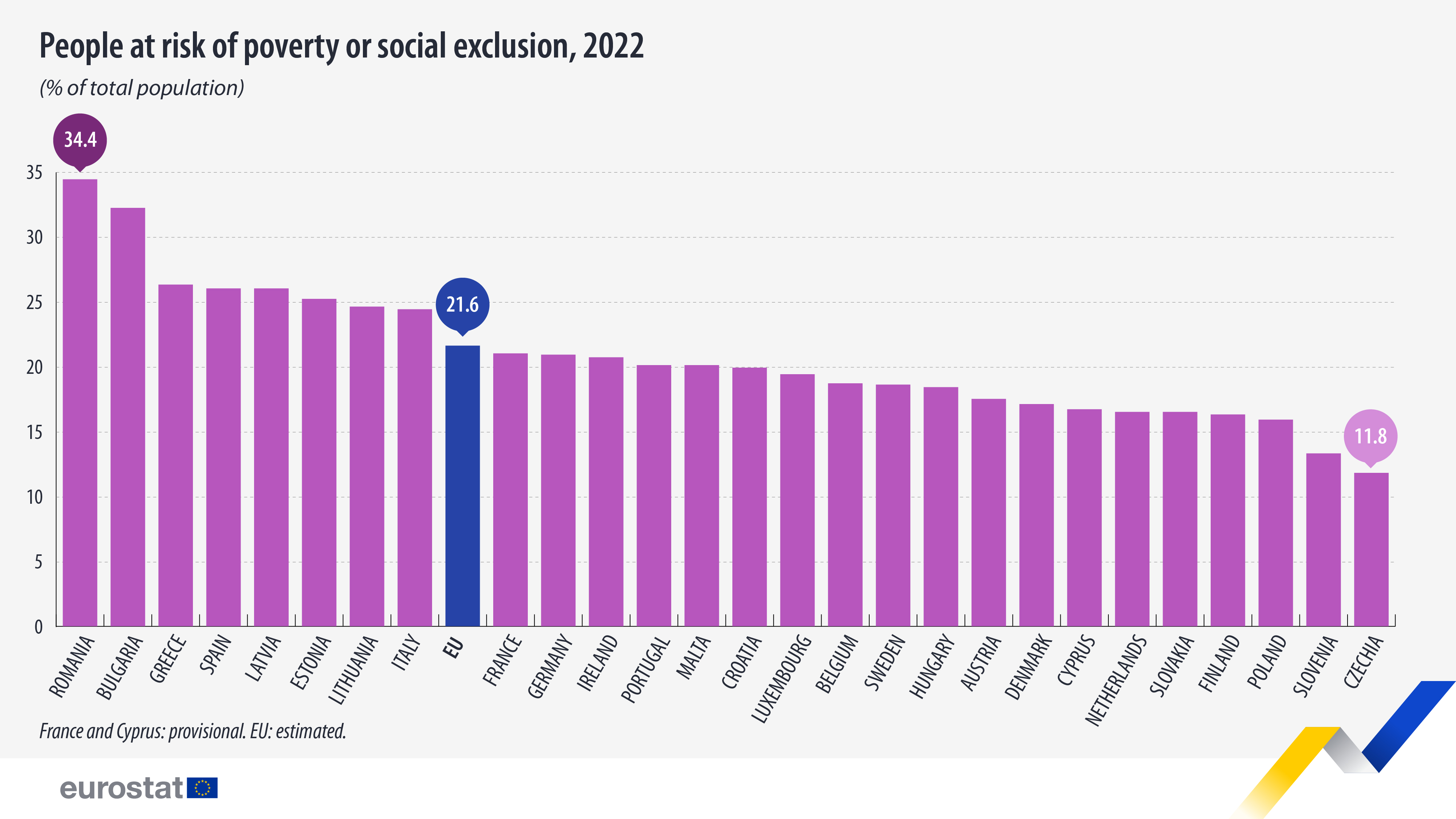 Figure 6.5: People at risk of poverty or social exclusion in the EU, by Eurostat
For some phenomena, such as poverty or exclusion, we can quantify things. According to Eurostat (more precisely, the EU-Survey on Income and Living Conditions), 21.6% of the EU population was at risk of poverty or social exclusion in 2022 (it was 21.9% in 2020), a figure which ranges from 11.8% in the Czech Republic to 34.4% in Romania (20.7% in France). At the EU level, it amounts to 96.5 million people at risk, and one person out of five in France. Among unemployed people, the poverty rate reaches 66%, and is high for other at-risk social groups, such as single parent households. Other factors, for example geographical ones, vary largely between territories. In the East and South of the EU, as well as in Baltic states, poverty risk is higher in rural areas, whereas it is more an urban phenomenon in the Western and Northern parts of the Union. In France, the poorer areas are in cities and suburbs.
While it seems obvious, it may not be useless to restate that the impacts of poverty are huge. In the UK, the richer 10% enjoy a life expectancy in good health 15 years longer than the poorest 10%. In France, which is more egalitarian, the gap between the 5% richest and 5% poorest men is 13 years.
6.3.4 Spotting poor people is tricky
Drawing on a large body of sociological research, (Colombi 2019Colombi, Denis. 2019. Où va l’argent des pauvres: fantasmes politiques, réalités sociologiques. Payot.) show that poor people are, by necessity, very good at two things:
- Managing what little money they have;
- Managing their social reputation.
This goes of course against a dominant representation of poor people as lazy, which only illustrates the fact affluent people have a hard time representing the set of constraints poor people face. Poverty entails a constant worry for money, and an ultra-strategic use of it. I already alluded to the practice to buy canned food at the beginning of the month as a way to buy insurance against hunger, even if it is more costly and less healthy than cooking fresh products. Poverty also leads to a very careful reputation management. Often, survival when poor relies on getting some form of informal credit — from the landlord, the car repair mechanic, etc. — which mean you must avoid looking poor (and thus a bad credit risk) at all costs. This explains the propensity of poor parents to buy rather expensive clothes (e.g. brand sneakers) to their children, even if this means to cut on food or medical care: their priority is to avoid the stigma of being poor, in an environment where it can very quickly lead to wholesale social exclusion of the family. In a similar fashion, the ethnographic work (Goffman 2014Goffman, Alice. 2014. On the run: fugitive life in an American city. The University of Chicago press.) explores the interplay between poverty, drugs and the general stigma generated by the war on drugs — a failed policy if there ever was one.
This means that you may have a very hard time spotting poor people, because they devote a lot of effort to hiding it, and will generally not be ready to admit it: whatever aid you may provide will amount to little compared to the support they get by not appearing poor.
6.3.5 The high cost of poverty
Another feature of poverty is that is it very costly to be poor. Some aspects are obvious: you cannot take advantage of bulk discounts if you do not have enough money to buy but the week’s bare essentials. Pre-paid SIM cards are more expensive than a data plan for your phone (and you need one for the various administrative tasks), but you may not be eligible to a data plan if you don’t have a stable address, and so on. More subtly, poverty constraints you to short-term choices, even you you can foresee negative consequences later on. If you had money, you’d drive the car to the shop to get rid of this disquieting noise. Because you don’t have that money, you’ll drive you car until in breaks down, with a much larger bill to fix it.
Personally, I find this quote from Terry Pratchett’s Men at Arms neatly sums it up (Pratchett 1994Pratchett, Terry. 1994. Men at arms. Corgi Books.):
The reason that the rich were so rich, Vimes reasoned, was because they managed to spend less money.
Take boots, for example. He earned thirty-eight dollars a month plus allowances. A really good pair of leather boots cost fifty dollars. But an affordable pair of boots, which were sort of OK for a season or two and then leaked like hell when the cardboard gave out, cost about ten dollars. Those were the kind of boots Vimes always bought, and wore until the soles were so thin that he could tell where he was in Ankh-Morpork on a foggy night by the feel of the cobbles.
But the thing was that good boots lasted for years and years. A man who could afford fifty dollars had a pair of boots that’d still be keeping his feet dry in ten years’ time, while the poor man who could only afford cheap boots would have spent a hundred dollars on boots in the same time and would still have wet feet.
This was the Captain Samuel Vimes ‘Boots’ theory of socioeconomic unfairness.
To make matters worse, poor people, as individual or as a group, have little social and market power. This makes them prime targets for unfair pricing and price-gouging. In a article (Lowrey 2023Lowrey, Annie. 2023. “The War on Poverty Is Over. Rich People Won.” The Atlantic, May 14. https://www.theatlantic.com/ideas/archive/2023/05/poverty-in-america-book-matthew-desmond-interview/674058/.) presenting his book Poverty, by America, sociologist Matthew Desmond references a study which shows that landlords have higher profit rates in poor neighbourhoods (Desmond and Wilmers 2019Desmond, Matthew, and Nathan Wilmers. 2019. “Do the Poor Pay More for Housing? Exploitation, Profit, and Risk in Rental Markets.” American Journal of Sociology 124 (4): 1090–124. https://doi.org/10.1086/701697.).
6.4 Our environment shapes our behaviour
The evolutionary perspective is especially useful here, as it obliges us to pay attention to the environment, and to the set (often not unique) of behaviours that maximize survival and selection value in that particular environment. This displaces the point of view. Too often, we tend to analyse adaptation to a less-affluent environment as abnormal, stemming from a system dysfunction (“these situations should not exist”). While morally true, this colors our view of the resulting behaviours, which we see as also abnormal, and not as a best response to a different set of circumstances. We may also want to remember that what strikes us as abnormal may be much closer than the environment our species spent most of its time, at evolutionary timescales. Hence, what strikes us at odd may be actually more instinctive than we think. In brief, there is no “normal” environment. There is an array of material, social and cultural contexts that bear an array of adaptive behaviours: as with the WEIRD problem, we should not be fooled by a familiar, but arbitrary baseline.
6.4.1 Ecological adaptation among animals
 Figure 6.6: A dragonfly
The animal realm provides striking examples on how deeply the environment conditions the development and behaviour of animals, including on short time scales. For example, tadpoles (frog larvae) are a choice prey for adult dragonflies. Tadpoles which grow in ponds with a large number of dragonfly larvae develop differently from other tadpoles: they have a smaller, shorter body and longer fins. This makes them more difficult to catch for dragonflies, but worse swimmers overall. Their morphology is thus not optimal in absolute terms, but optimal relative to the set of threats they face (Buskirk and Mccollum 2000Buskirk, Josh Van, and S. Andy Mccollum. 2000. “Influence of Tail Shape on Tadpole Swimming Performance.” Journal of Experimental Biology 203 (14): 2075–92. https://doi.org/10.1242/jeb.203.14.2149.). Generically speaking, animals who face more dangerous environments (more predators, less food) tend to be smaller, have an earlier sexual maturity, produce more offspring, and mate more often than member of their species in more favourable environments.
6.4.2 Ecological adaptation among humans
Would this kind of ecological adaptation occur in human societies? Broadly speaking, yes. The chart from Our World in Data shows a pretty clear relationship between total fertility rates and GDP per capita at a country level.
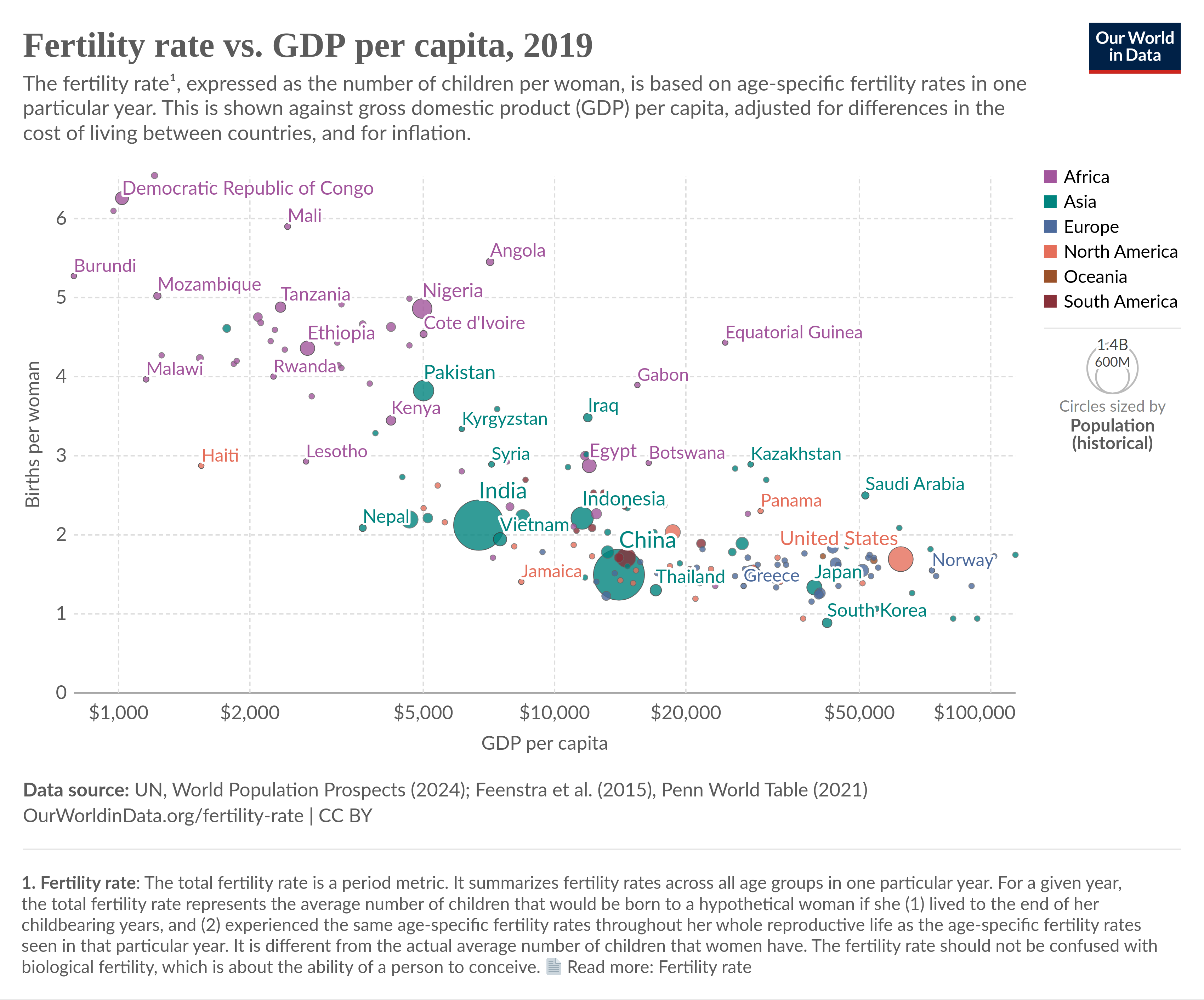
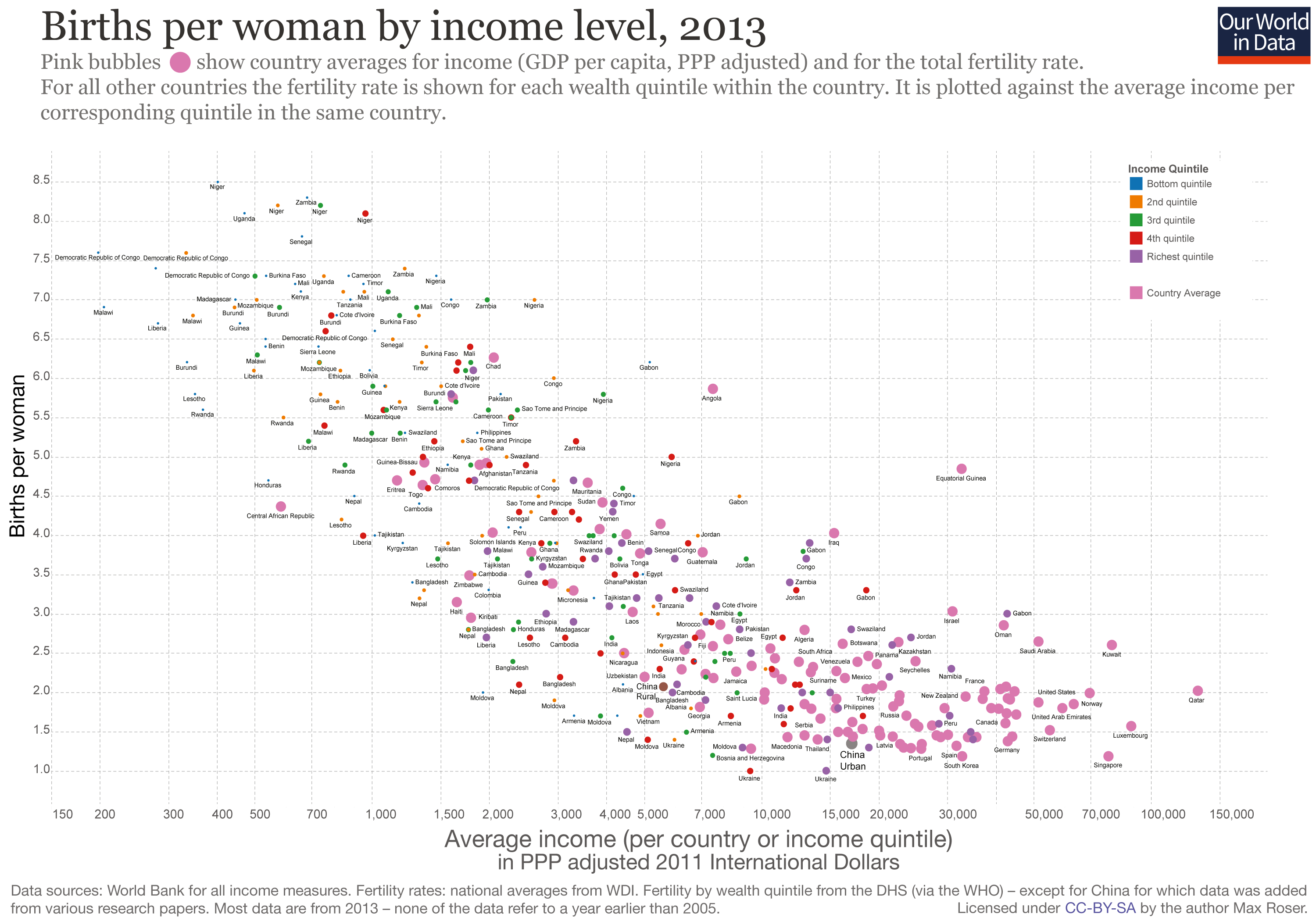
Figure 6.7: Fertility rate (birth per woman) and GDP, country level, from Our World in Data
The same phenomenon exists within countries: the second plot shows that fertility rates by income quintiles follow broadly the same relation than country averages. Other fertility behaviours follow the same pattern. In Chad, women have their first child at age 18 on average. In New Zealand-Aotearoa, the average age at first birth is 28. Within countries, UK women from disadvantaged backgrounds have their first child at 22 on average, on par with the averages of Guatemala or Kazakhstan, while women from rich backgrounds have their first child at around 28. Historically speaking, fertility rates decrease when income rise (in worldwide data, there may be some U-shape, due to the presence of post-soviet economies with low fertility rates among middle-income countries).
Qualitative research confirms these findings. African-American teenagers expect to have shorter lives with significant health risks, and thus consciously have children early, before the expected hazards materialize (Geronimus 1996Geronimus, Arline T. 1996. “What Teen Mothers Know.” Human Nature 7 (4): 323–52. https://doi.org/10.1007/BF02732898.).
6.4.3 Childhood deprivation and reproductive strategies
France is a country with a relatively protective welfare system. We thus expect the effects of poverty to be dampened relative to what happens in the US.39 There is significant heterogeneity also within WEIRD countries. Yet, (Mell et al. 2018Mell, Hugo, Lou Safra, Yann Algan, Nicolas Baumard, and Coralie Chevallier. 2018. “Childhood Environmental Harshness Predicts Coordinated Health and Reproductive Strategies: A Cross-Sectional Study of a Nationally Representative Sample from France.” Evolution and Human Behavior 39 (1): 1–8. https://doi.org/10.1016/j.evolhumbehav.2017.08.006.) find that people living in France who have been exposed to childhood deprivation have their first sexual experiences earlier, their first child earlier and take less care of their health than people of comparable income but without this childhood experience. To some extent, poverty thus acts as a scar that conditions some behaviours even when the person climbs out of poverty.40 Football players provide an extreme example: a large number of them struggle with their new found wealth, with stories about harmful behaviour, substance abuse and lack of financial planning. The same study show that this adaptation carries to attitudes beyond a sarcity mindset. People having experienced childhood deprivation were more likely to select authoritarian figures as leaders over nicer, smiling figures in choice experiments.
6.5 Environment and cognition
These findings beg the question: what would a human behaviour adapted to deprivation look like? A prominent feature would be to value short-term survival over investment in long-term selective improvements. It would push towards more risk-taking, being more impulsive, and aggression to face potential threats. The higher risk-taking is not obvious at first blush: if the environment is more dangerous, wouldn’t it pay to be more cautious? The idea is that in an unstable environment, you are more likely to die from circumstances outside your control. Thus, your expected lifetime is shorter, and you discount more longer possible lifetimes. Hence, the net present value of your future is lower, which makes the expected cost of taking risk (loosing these futures) lower. Conversely, a more stable environment is more rewards more long-term effort, grit, and impulse control, as we saw in the marshmallow experiment.
On the face of it, this can lead to a puzzling picture: people exposed to deprivation will be at the same time more risk-taking (smoking, reckless driving), and more risk-averse (in their investment choices, including health and education). This combination makes sense when these behaviours are not seen through a intrinsic risk appetite, but through a discount factor. A high discount factor means I discount more future penalties (to my health, hence smoking), and also more future rewards, such as returns on investment or education (for a more detailed exposition of how risk-taking is an adaptive strategy in a dangerous environment, see (Page 2021Page, Lionel. 2021. Optimally Irrational: The Good Reasons We Behave the Way We Do. 1st ed. Elsevier.)).
6.5.1 Present preference
Empirical data confirm these behavioural assumptions.
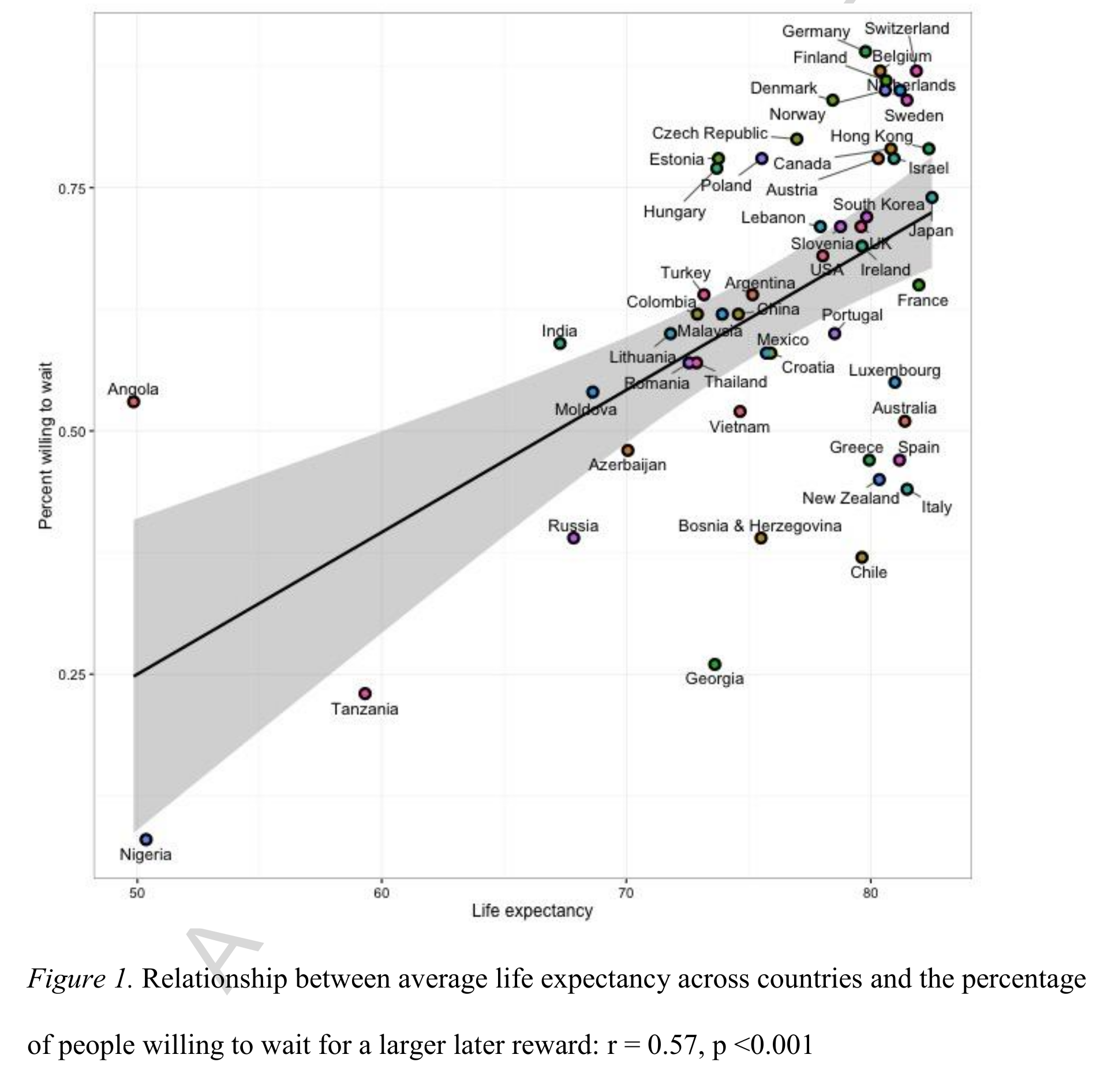 Figure 6.8: Life expectancy and willingess to wait, country level
(Bulley and Pepper 2017Bulley, Adam, and Gillian V. Pepper. 2017. “Cross-Country Relationships Between Life Expectancy, Intertemporal Choice and Age at First Birth.” Evolution and Human Behavior 38 (5): 652–58. https://doi.org/10.1016/j.evolhumbehav.2017.05.002.) show that at a cross-country level, the willingness to wait — which is just the inverse of the preference for the present — is lower in lower-income countries (and thus significantly correlated with life expectancy and women’s age at first birth). Within a rich country with a reputably generous welfare system (Denmark), (Harrison et al. 2002Harrison, Glenn W., Morten I. Lau, and Melonie B. Williams. 2002. “Estimating Individual Discount Rates in Denmark: A Field Experiment.” American Economic Review 92 (5): 1606–17. https://doi.org/10.1257/000282802762024674.) show that poorer people have, all other things being equal (especially age, gender and level of education), a higher discount rate.
All the above is mainly correlationnal evidence. It is of course unethical and difficult to run experiment by putting people in a meaningfully deprived environment, and even more to create a long, repeated exposure to it. Faced with this problem, scientists rely on natural experiments: what were the consequences of external events that drastically and quasi-randomly decreased the standards of living of some people but not others?
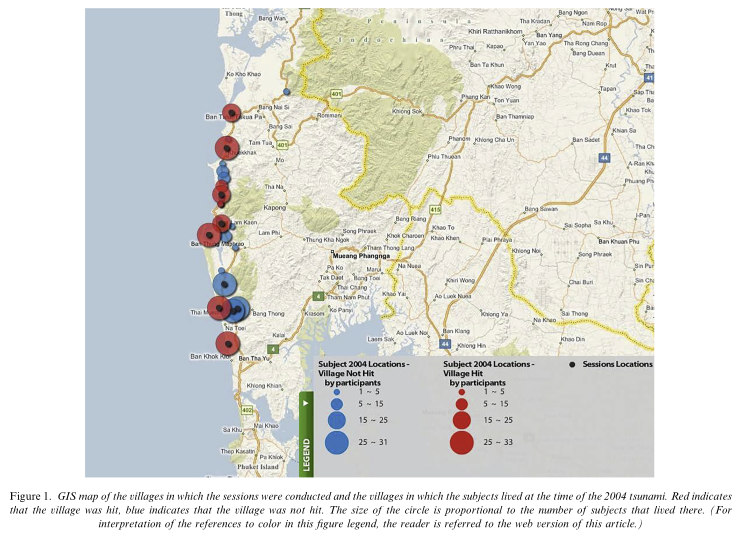 Figure 6.9: Map of the villages hit and spared from the 2004 tusnami on the East coast of Thailand
(Cassar et al. 2017Cassar, Alessandra, Andrew Healy, and Carl Von Kessler. 2017. “Trust, Risk, and Time Preferences After a Natural Disaster: Experimental Evidence from Thailand.” World Development 94: 90–105.) compare villages that have been hit by the 2004 tsunami in the Indian Ocean, five years after the disaster. There are many villages along the Thailand coast, and some have been hardest hit than others, due to natural factors, or mere chance. The socio-demographic composition of the villages are furthermore similar. Thus the unaffected villages provide a natural control group for affected ones. The researchers toured a sample of these villages with questionnaires including standard questions on interpersonal trust, trustworthiness of others, and a trust game and lottery choice. It turned out that people from the more affected villages:
- Had higher trust in others and played more cooperatively. They had experienced solidarity in the face of a catastrophe first-hand.
- Were more impatient and preferred smaller short-term rewards than longer terms gains (relative to comparable non-affected people).
Figure 6.10: Review of the effects of information provision and support on low-income higher education attainment, from Herbaut and Geven, 2020.
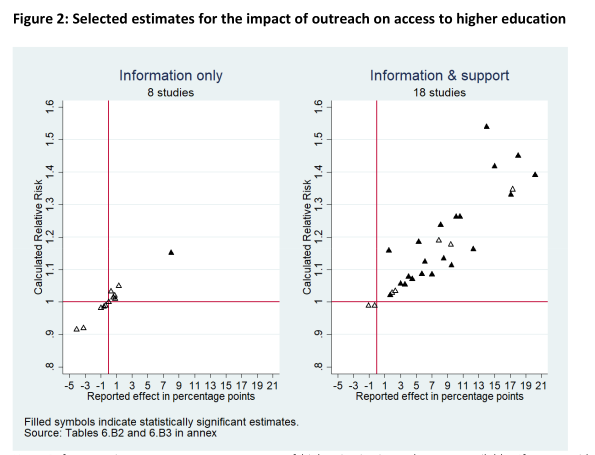
A policy consequence of this present preference is that you have to tailor your intervention to it, rather than try to change it. (Herbaut and Geven 2020Herbaut, Estelle, and Koen Geven. 2020. “What Works to Reduce Inequalities in Higher Education? A Systematic Review of the (Quasi-)experimental Literature on Outreach and Financial Aid.” Research in Social Stratification and Mobility, Experimental methods in social stratification research, vol. 65 (February): 100442. https://doi.org/10.1016/j.rssm.2019.100442.) thus compare the results of RCTs which try to increase the share of low-income students going to post-secondary education across. The core distinction they make is between interventions based on information provision (outreach: “you can go to university”) and intervention including the provision on additional help to fill in the applications. They find that most outreach initiatives have close to no effect. On the other hand, providing support have significant one, with some having very large measured effect size.
An explanation is that the application forms to university are commonly costly and time-consuming (see for example (Bettinger et al. 2012Bettinger, Eric P., Bridget Terry Long, Philip Oreopoulos, and Lisa Sanbonmatsu. 2012. “The Role of Application Assistance and Information in College Decisions: Results from the H&R Block Fafsa Experiment.” The Quarterly Journal of Economics 127 (3): 1205–42. https://doi.org/10.1093/qje/qjs017.)). And when you are money-poor, you are most of the time also time-poor. You have many pressing choices to make just to keep going (“how will I eat tonight?”) that you have close to no spare time to deal with additional administrative requests. Hence the high rate of non-take-up of programs. The same kind of result applies to unwanted teenage pregnancies: a meta-review found that information campaigns had almost no effect (Oringanje et al. 2016Oringanje, Chioma, Martin M. Meremikwu, Hokehe Eko, Ekpereonne Esu, Anne Meremikwu, and John E. Ehiri. 2016. “Interventions for Preventing Unintended Pregnancies Among Adolescents.” Cochrane Database of Systematic Reviews, no. 2. https://doi.org/10.1002/14651858.CD005215.pub3.).
6.6 Bottom line: design your intervention with heterogenity in mind
Our evidence base is commonly grounded in a narrow scope of people, in terms of age, culture, and social backgrounds. Field intervention will impact heterogeneous populations, who may react differently from what we expect. The pitfall is to label these differences irrational behaviours and try to correct them: they may well be optimal responses to the set of constraints these people face, and attempt to change them without changing the constraints will likely fail, if not backfire. While designing our intervention, we should pay a close attention to the socio-economic and cultural composition of the populations affected by the project, and in any case plan for a wide range of (legitimate) behaviours.
6.7 How to deal with poverty? With cash, no conditions attached
With appropriate behavioural tools, you can help poor people to overcome some consequences of their acquired present preference. However, present preference is an adaptive response to scarcity, and, with it, many behaviours which deal with money and time scarcity: you’re against a structural constraint. In such case, the evidence points overwhelmingly to the idea of providing unconditional cash transfers. Studies show that poor people do not spend windfall gains on temptation goods more than non-poor people. They have a very good understanding of what needs to be paid for immediately to improve their situation. They have juggled with that for years, so cash will help them to alleviate the most important constraints. They have much, much better information than you do. Then you can start deploying interventions to foster longer-term investments. One-time transfers may have long-lasting effects (the contrary of the fish vs fishing story: you cannot teach fishing to a starving person), because they can bootstrap people out of poverty and arrears.
6.8 A final terminology point
In the literature, the opposite of the scarcity mindset, that is a willingness to invest in long-term effort, grit and so on, is sometimes called growth mindset (abundance mindset is better and less ambiguous). This can lead to confusions with the dichotomy introduced by Carol Dweck between a fixed mindset and a growth mindset. In a fixed mindset, you believe that abilities are a given, and there is not much you can do to change it: you are inherently smart or not. This leads to quitting quickly when confronted to some difficulty (it is too hard for you, no point to try again), and avoidance of challenges (which may show you are a low performer). Conversely, under a growth mindset, you believe that abilities are acquired through effort, leading you to try again and treat failures as learning experiences. This dichotomy has motivated a host of interventions in education, e. g. (Yeager et al. 2019Yeager, David S., Paul Hanselman, Gregory M. Walton, et al. 2019. “A National Experiment Reveals Where a Growth Mindset Improves Achievement.” Nature 573 (7774, 7774): 364–69. https://doi.org/10.1038/s41586-019-1466-y.) and the review (OCDE 2020OCDE. 2020. Growth Mindset. OCDE. https://doi.org/10.1787/bd69f805-en.).
A growth mindset in this sense leads to similar behaviours as a low discount factor, but for different reasons.