Chapter 4 Reciprocity and cooperation
4.1 In a nutshell
Laboratory experiments have shown that people behave differently than what the rational choice theory predicts whenever there are third parties (other players or experimenters). These deviations all go in the same direction: choices that are more prosocial than the prediction, at a cost for the individual.
This makes sense from a cultural evolutionary perspective: in tight-knit human societies, some degree of prosocial behaviour is adaptive. Indeed, humans seem to be particularly efficient at cognitive tasks of social cognition, such as detecting cheaters or managing our own reputation. Interventions leveraging social cognition can thus be extremely powerful, be they to correct norms perception to change social norms.
4.2 Cooperation, Reciprocity, Social Cognition, Reputation
The recent article (Hale et al. 2020Hale, J, J Hastings, R West, et al. 2020. “An Ontology-Based Modelling System (OBMS) for Representing Behaviour Change Theories Applied to 76 Theories.” Wellcome Open Research 5 (177). https://doi.org/10.12688/wellcomeopenres.16121.1.) built a database of the constructs and pathways of 76 mainstream theories of behavioural change, with 1290 unique constructs. As (Nettle 2023Nettle, Daniel. 2023. “It Probably Is That Bad.” Daniel Nettle, November 9. https://www.danielnettle.org.uk/2023/11/09/it-probably-is-that-bad/.) notices, this is obviously too much. The field suffers from a proliferation of overlapping concepts. The subject of this class is another case in point. In practice, the headings Cooperation, Social cognition, Reciprocity and Reputation refer to the same set of ideas of experiments. To take a practical example, the contents of the chapters on cooperation and reputation in (Chevallier and Perona 2022Chevallier, Coralie, and Mathieu Perona. 2022. Homo sapiens dans la cité. Odile Jacob.) shares most of its material with Reciprocity and the art of BPPP (Oliver 2019Oliver, Adam. 2019. Reciprocity and the Art of BPP. Cambridge University Press. https://doi.org/10.1017/9781108647755.). Whatever the terminology, the basic idea is that when interacting with other humans, people display a willingness to take actions which entail a cost to them and produce a benefit to others.
 Figure 4.1: Birds in V formation. Cropped version of Birds V formation photo by Inu Etc, CC BY-SA 4.0, via Wikimedia Commons
At first glance, this is a puzzle for both the rational agent model – why incur a cost with no corresponding gain ? – and for the evolutionary perspective, since this kind of behaviour seems to reduce your own reproductive odds and improve others’. In the animal real, researchers observe many instances of attitudinal reciprocity: geese flock rotate the forward (more tiring) position when flying, apes clean each other. However, these examples are immediate reactions to a situation or a behaviour. Evidence of cooperative or uncooperative behaviours based on other than immediate past or just observation is scant, and there is a debate whether researchers’ perception are clouded by a projection of human behaviour on the behaviours of animal with a very different cognition.
 Figure 4.2: Not your typical orang-utan, but still very well-adapted to their ecological niche. The Morporker, by Gilles Roussel (Boulet), tribute to Terry Pratchett
If we look closer in our evolutionary tree, cooperative behaviours are unknown among orang-utans, who did not really need them in the first place: before the advent of humans, orang-utans lived in an environment where food is abundant and very few predators would be a match for a full-grown adult. Among chimpanzees, known cooperative behaviours are limited to attitudinal reciprocity. Some researchers argue that the specific ecology of the African Rift, from which humanity emerged, placed proto-humans at a disadvantage: when forests were replaced by savannah, they faced both larger predators and needed collective action to hunt large preys. This may have kickstarted an evolutionary pressure towards cooperative behaviours, which entered a mutually reinforcing dynamic with not only hunting, but also gathering, and then farming. This dynamic lead to the emergence of societies, where some variant of the so-called Golden rule – the idea they one should do unto others as they’d like other do to unto them – seems the closest thing we have to a universal moral principle.
Thus, to make sense of cooperative behaviours, we need to add to key ingredients to the picture: other humans (a.k.a. society) and time, more precisely repeated interactions. This leads to the study of social cognition, or a specific set of cognitive skills on which we rely for our social interactions, and on reciprocity as the core pattern in these interactions.
For a discussion of the theoretical background, I advise you to read (Nettle 2025Nettle, Daniel. 2025. “Creatures of Habit(us): A Commentary on Baumard and André (2025).” Daniel Nettle, July 1. https://www.danielnettle.eu/2025/07/01/creatures-of-habitus-a-commentary-on-baumard-and-andre-2025/.) and some references therein.
4.3 Cooperation the lab
A large body of literature from experimental economics documents how, in the very abstract setting of the lab, people predictably deviate from the predictions of rational choice when they think they are interacting with another person. Most of these experiments are variations of a small set of games. I think you need to be familiar with them since they are widely used to model policy issues such as carbon footprint reduction (a prisoners’ dilemma).
4.3.1 A basic grammar of games
This section provides a very quick introduction to the most frequently used games, and how their results commonly diverge from rational choice theory predictions.
In the Dictator game (description), you get a set amount of money, say €10, which you have to split with another player, whom you’ll never know and will never know you. The only rational equilibrium of this game is to keep the whole sum, since giving some of this away provides you with no benefit. In practice, the modal offers are in the 20%-30% range, and only 1/5 of typical participants offer 0.27 The setup being very easy to explain and reproduce, this game has been widely replicated outside WEIRD samples, with consistent results.
In the Ultimatum game (description), the first player offers a split to the second player, who can either accept or refuse it. If the second player refuses, both players get nothing. Again, the Nash equilibrium is to offer 0, or the closest possible amount to zero, since the second players will be better off with something rather than nothing. In actual experiments, the modal offer is around 50%, and offers below 30% are often rejected, with a rejection rate over 1/2 for the few offers lower than 20%.
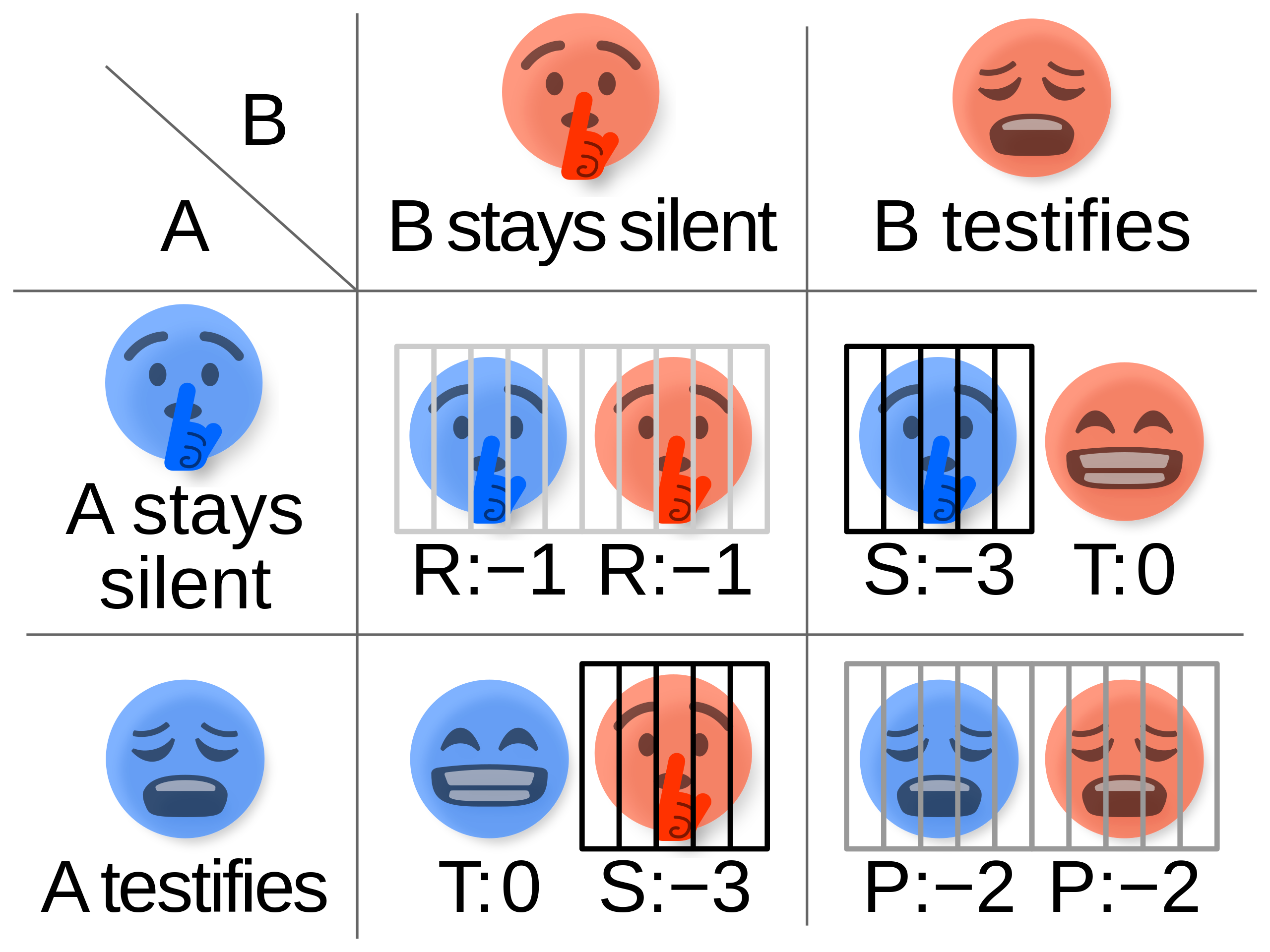 Figure 4.3: Sample payoffs matrix for the Prisonner’s dilemna
In the Prisoner’s dilemma (description), each of the two players have to choose either to cooperate (stay silent) or to deviate (testify). If both cooperate, they get a light sentence. If both testify, they both get a medium sentence. If only one testifies, that player gets away while the other gets a hard sentence. This game is set up in a way that the only rational equilibrium is to testify, leading to the worst outcome for both players.
In a Public good game (description), players get an initial endowment. They can either put any fraction of it in a public pot. The sum in the public pot is then multiplied by some factor, and split evenly between all players. In the example illustrated on the right, the multiplication factor is low, 1.2, making it worthwhile to invest in the public good only under an expectation that other players will also invest at least 80% of their endowment. In practice, the mean contribution falls most of the time in the 40%-60% range, but the underlying distribution is highly bimodal: most people invest either all or none of their endowment.
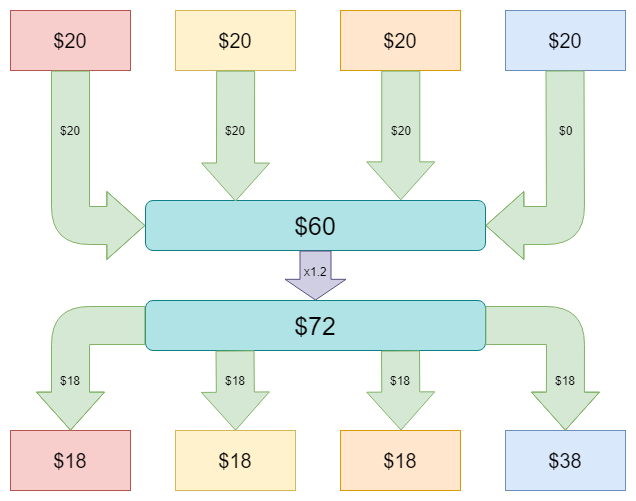 Figure 4.4: Sample public good game
In each case above, the deviations from the expected rational equilibrium rely seem to rely on some form of expectation of reciprocity. In the dictator game, players interviewed about their motivations state a sense of fairness (more on this later). In the ultimatum game, they also refer to a perceived threat or retaliation against too low an offer, a form of negative reciprocity.28 In some tribal societies, people also reject offers deemed too high, because they generate too large an obligation from the recipient. Despite the abstract lab setting (and the fact that they actually often play against computers), people include in their assessment a dimension of repeated, social interaction, and built their decision on this context.
4.3.2 Let’s play again
What happens when people play not one, but several rounds in a row? In this repeated games setting, game theory prediction become murkier. The Folk Theorem, so called because it was deemed common knowledge when the need to make a formal reference to it arose, states that basically any reasonable equilibrium can emerge from a repeated game, provided players are rational and patient enough.
In practice, computer programs are a convenient way to generate large numbers interactions while specifying explicitly strategies and degrees of patience. A famous instance is (Axelrod and Hamilton 1981Axelrod, Robert, and William D. Hamilton. 1981. “The Evolution of Cooperation.” Science 211 (4489): 1390–96. https://doi.org/10.1126/science.7466396.), which showed that cooperation in a repeated prisoner’s dilemma can be sustained by a simple Tit for Tat strategy – actually, the strategy empirically dominates most, if not all, more sophisticated strategies. The demonstration of this dominance relied on an evolutionary setting: at each stage, each individual is paired with another one, an plays a prisoner’s dilemma. A share of individuals with the lower gains (e.g. the lowest 10% gains) is removed, and replaced by a population representative of the higher gains populations.
This is of course a kind of worst-case scenario: what the experiment shows is that even when payoffs are designed to discourage cooperation and you have no information about other people’s strategies, cooperative behaviours can be sustained by a very simple punishment heuristic. Starting from this insight, it is straightforward to see that sustaining cooperation would be easier with more information about other people, such as the share of each population or, even better, an hint about the strategy of the person you deal with. A core issue of sustainable cooperation is thus the ability to reliably identify cooperators and to avoid defectors.
4.3.3 Trust and spotting defectors
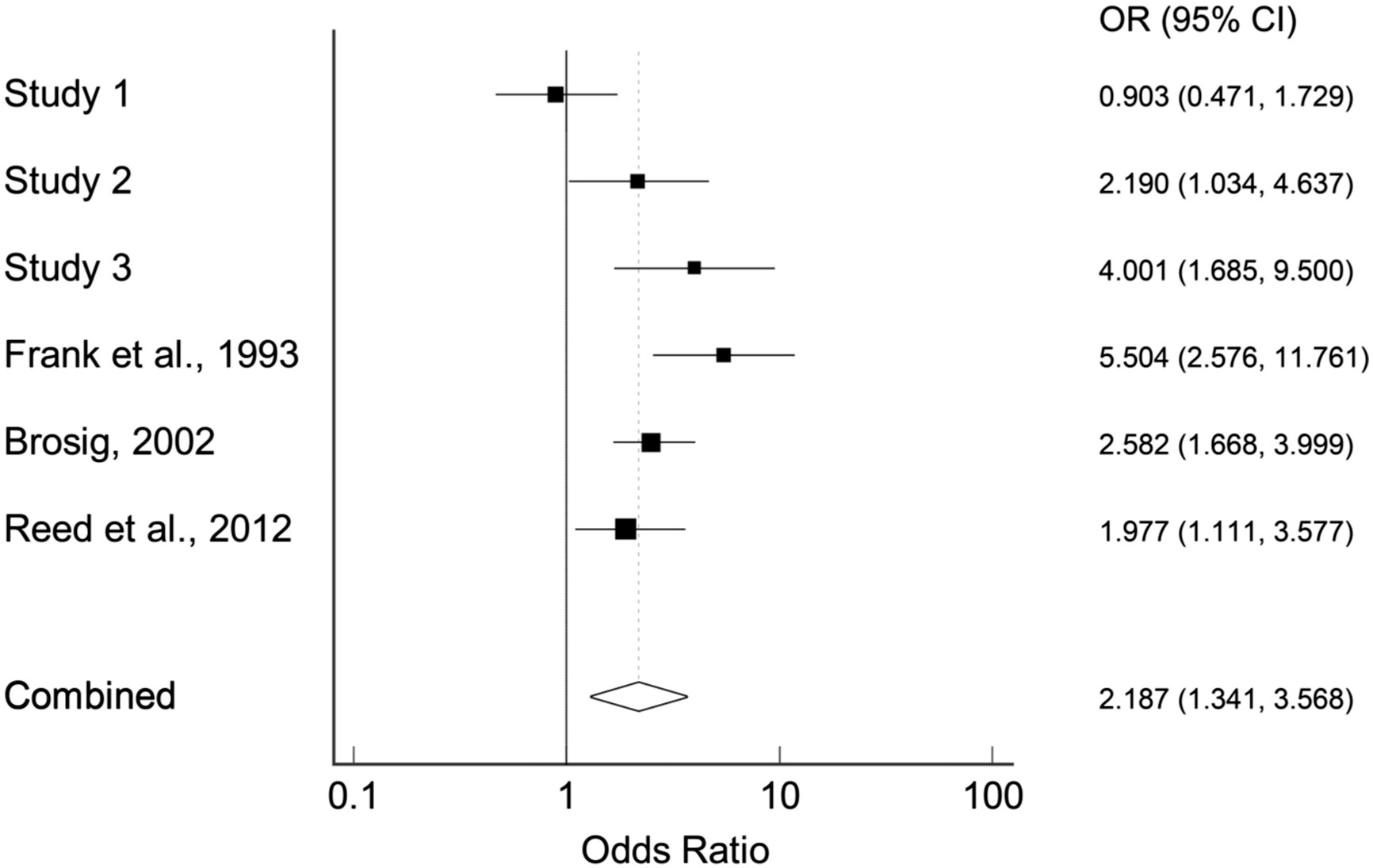
It turns out we seem to be well equipped for spotting non-cooperative behaviours. (Sparks et al. 2016Sparks, Adam, Tyler Burleigh, and Pat Barclay. 2016. “We Can See Inside: Accurate Prediction of Prisoner’s Dilemma Decisions in Announced Games Following a Face-to-Face Interaction.” Evolution and Human Behavior 37 (3): 210–16. https://doi.org/10.1016/j.evolhumbehav.2015.11.003.) reviews a set of experiments, where unacquainted participants interact in groups of 3-4 people for 10mn to half an hour. They are hen asked to predict how each person they’ve interacted with would play in a prisoner’s dilemma. They then play the actual game. In each experiment, participants made a better-than-chance guess about other participants’ behaviour. This means that even a short, informal interaction with someone we do not know provides us with some signal about this person’s cooperative tendencies. Other experiments showed that some such information could be garnered from mute 20s videos, meaning that we are actually very quick at picking up whatever body hints we use for that.
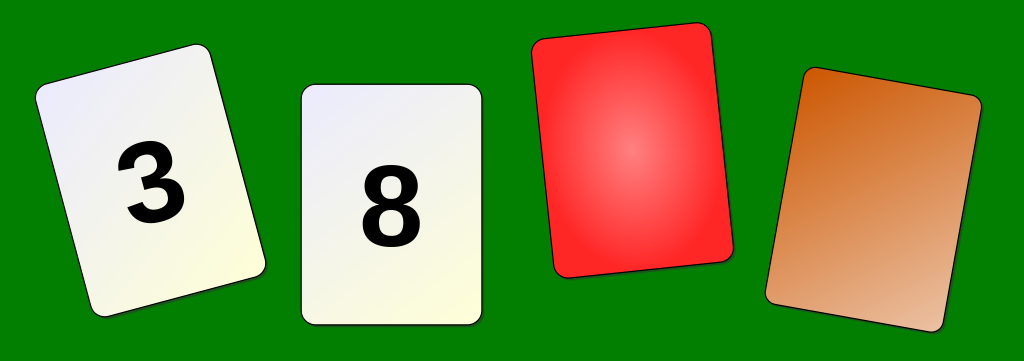 Figure 4.5: Wason’s Task, Life of Riley, CC BY-SA 4.0
Actually, defector identification seems to be deeply engrained in our cognitive processes. A striking example is the difference in performance on Wason’s task depending on how it is framed, in (Griggs and Cox 1982Griggs, Richard A., and James R. Cox. 1982. “The Elusive Thematic-Materials Effect in Wason’s Selection Task.” British Journal of Psychology 73 (3): 407–20. https://doi.org/10.1111/j.2044-8295.1982.tb01823.x.). In he standard setting, you are showed four cards, two with numbers and two with a coloured back. You are told that the rule is as follows:
If a card has an even number, its back must be red
Which cards should you turn to check that the rule is correct?
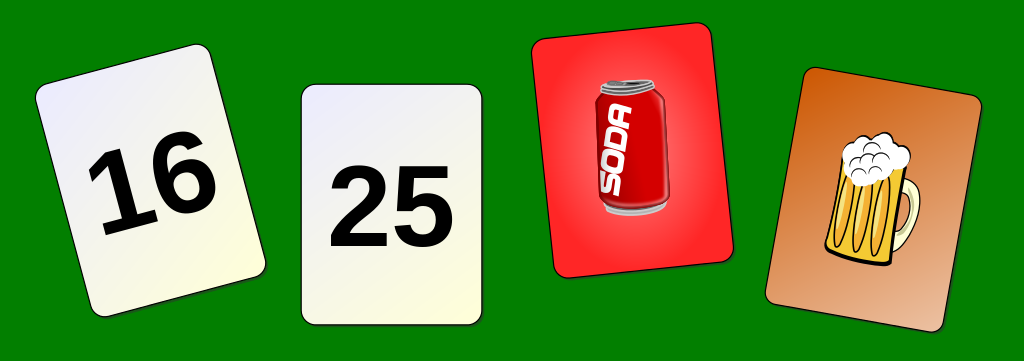 Figure 4.6: Wason’s Task drinking age variant, Life of Riley, CC BY-SA 4.0
In the modified setting, cards are said to represent people, with their age on one side and the beverage they are having on the other. The rule is:
One must be at least 18 to have an alcoholic drink.
The experiment shows that people are much more likely to make the right choices (16 and beer) in the drinking rule framing than in the original setting (8 and orange). This can be attributed to a specialization in cheating detection in our cognitive processes.
4.4 Sustaining cooperation in the field: reputation
The main limitation of our ability to detect cheaters is that we observe only a tiny fraction of peoples’ actions, and even then we may misunderstand the motives or consequences of an action. As a result, we do not rely only, not even mostly, on direct observation: we pay a lot of attention to what we hear about other people, their reputation. Acquiring this information is often unconscious: a significant share of small talk can be framed as exchanging information about other peoples’ reputation. On the other hand, we consciously devote a lot of effort to building and maintaining a good reputation, on top of a host of unconscious reputation management behaviours. The practical consequence is that reputation is a very powerful tool for behavioural interventions.
4.4.1 What is reputation?
Reputation can be defined as the set of traits a person is believed to have by another person or group of persons. The belief dimension means that reputation can be true or false: a person may have a reputation of being hard-working because she pulls long hours at work, but with low productivity if the output is difficult to observe. Strictly speaking, reputation is about a specific trait, or a well-defined array of traits. In practice however, reputation about one trait tends to have spillover effects on reputation about other traits: we’ll expect a person with a reputation of honesty to be a good cooperator, for example. Of course, language is key in the whispers network which makes and breaks reputation.
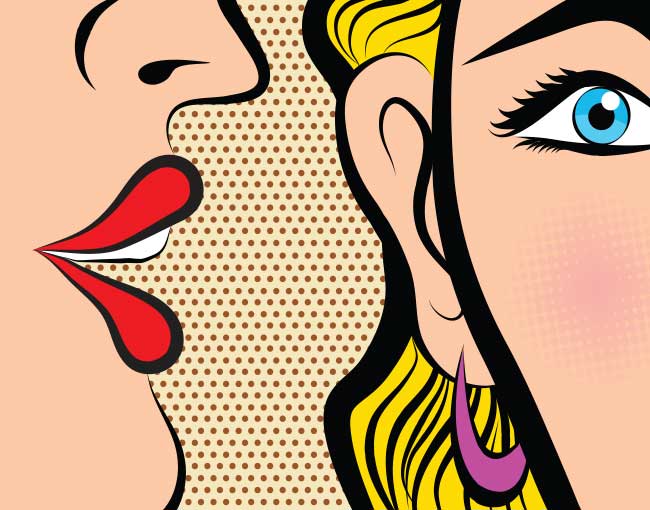 Figure 4.7: Pop art style illsutration of word of mouth, closely depicting the matching French expression ‘bouche à oreille’.
Historical examples of explicit reputation management codes abound, from chivalric honour codes (sometimes sensitive to a fault, leading to fights), including up to the XIXth century. Someone as unlikely as Marcel Proust fought a pistol duel with a journalist, and genius mathematician Evariste Galois was thus killed at age 20, in 1832.
4.4.2 Unconscious reputation management
The fact we care about our reputation can be evidenced by experiments. One of these is (Huguet et al. 1999Huguet, P., M-P. Galvaing, J-M. Monteil, and F. Monteil. 1999. “Social Presence Effects in the Stroop Task: Further Evidence for an Attentional View of Social Facilitation.” Journal of Personality and Social Psychology 77 (5). https://doi.org/10.1037//0022-3514.77.5.1011.). This experiment relies on the commonplace two-stages Stroop task:
 Figure 4.8: Sample card cor Stroop task stage 2
- First stage: words like “boat” are written in colour. Participants must note the colour of the word. This is cognitively demanding since you have to make abstraction of the word’s meaning.
- Second stage: the words are themselves colour names, written in another colour than the one they denote. Because of the dissonance between the meaning and colour, this task is even more demanding than the previous one.
- The experimenters monitor responses delay and error rate.
A large number of psychology studies rely on this task to measure cognitive performance in different settings. Prior to Huguet et al., 1999, the presence of absence of an experimenter in the room was deemed of little consequence. The team wanted to test that assumption by comparing four conditions:
- (Control) Subjects are alone in the room while performing the task.
- (Inattentive peer) Another person, actually an experimenter of the same age bracket as the subject, is present in the room, reading a book.
- (Invisible peer) Another person (same as above) is present, and sits behind the subject (but unable to see the computer screen).
- (Attentive peer) Another person (same as above) is present in front of the subject, and looking at them at least 60% of the time.
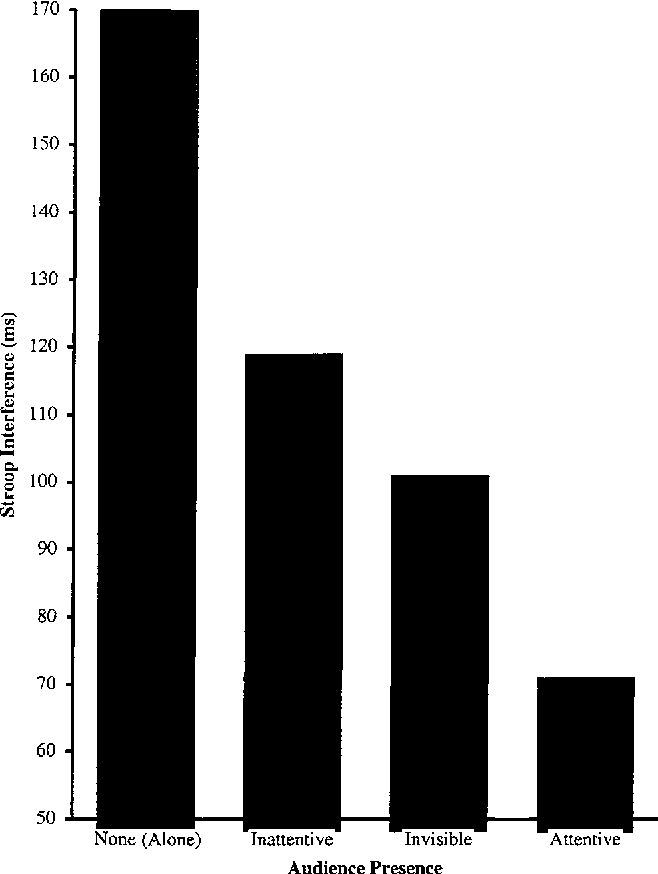 Figure 4.9: Main result of (Huguet et al. 1999)
An important feature here is that in none of the three treatment conditions is the subject’s performance observable by the other person in the room. In the Inattentive peer condition, the experimenter reads a book, and in the Attentive peer condition, the experimenter only sees the back of the subject’s computer.
The performance in the task, measured by the amount of time needed to provide a correct answer, decreases from one condition to the next, showing that (1) we exert more effort when someone is present, and (2) we increase our effort when we feel this person may be paying attention — event if we rationally know that this person cannot observe the result of our effort. Thus, people behave differently — more according to the prevailing social norm — when they feel they are observed. In a sense, it is a generalized Hawthorne effect. A significant feature is that no actual observation need to take place.
 Figure 4.10: Mosaic eyes in New York World Trade Center Metro station, August 2025. Own picture.
In situ experiments, for example (Bateson et al. 2015Bateson, Melissa, Rebecca Robinson, Tim Abayomi-Cole, Josh Greenlees, Abby O’NAConnor, and Daniel Nettl. 2015. “Watching Eyes on Potential Litter Can Reduce Littering: Evidence from Two Field Experiments.” PeerJ 3 (December): e1443. https://doi.org/10.7717/peerj.1443.; Ernest-Jones et al. 2011Ernest-Jones, Max, Daniel Nettle, and Melissa Bateson. 2011. “Effects of Eye Images on Everyday Cooperative Behavior: A Field Experiment.” Evolution and Human Behavior 32 (3): 172–78. https://doi.org/10.1016/j.evolhumbehav.2010.10.006.), have shown that the mere picture of eyes reduces littering in a variety of environments. This has led to the application of human figures staring at passer-bys, or just eyes (for example in New York metro stations).
4.4.3 Conscious reputation management
 Figure 4.11: Barry Manilow
Our concern for our reputation is so important that we tend to over-estimate how much other people pay attention to our action — the Spotlight effect. An illustration is provided by (Gilovich et al. 2000Gilovich, Thomas, Victoria Husted Medvec, and Kenneth Savitsky. 2000. “The Spotlight Effect in Social Judgment: An Egocentric Bias in Estimates of the Salience of One’s Own Actions and Appearance.” Journal of Personality and Social Psychology (US) 78 (2): 211–22. https://doi.org/10.1037/0022-3514.78.2.211.), who asked students to walk around campus wearing a T-shirt with the picture of a singer generally considered as has-been (Barry Manilow).
Figure 4.12: Barry Manilow
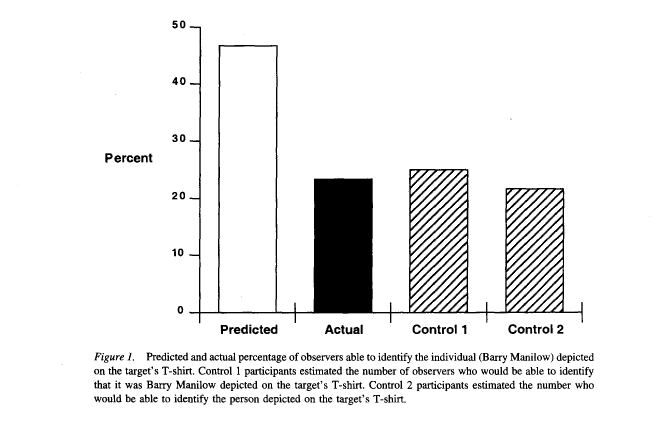
These students were asked to estimate the percentage of people they met who would be able to identify the singer (and thus think that the student had questionable music tastes). Their guess, close to 50%, was twice the actual figure, which was correctly estimated by students not wearing the T-shirt.
4.5 From reputation to social norm
Reputation does not emerge in a void. Reputation is made of judgement, where one person’s actions or purported intentions are assessed against a set of expected behaviours, defining a social norm. Most social norms revolve around fostering some prosocial behaviour and deterring antisocial ones (or perceived as threatening to the society). As a consequence, we rely heavily on information about such norms to guide our action. For example, (Frey and Meier 2004Frey, Bruno S., and Stephan Meier. 2004. “Social Comparisons and Pro-social Behavior: Testing "Conditional Cooperation" in a Field Experiment.” American Economic Review 94 (5): 1717–22. https://doi.org/10.1257/0002828043052187.) took advantage that the University of Zürich suggested to make a small (CHF 5-7) donation to charities which help poor or foreign students. Out of around 37 000 students, 2 000 were provided with additional information about their peers’ behaviours:
- 1 000 students were told that 46% of students donate (Low condition).
- 1 000 students were told that 64% of students donate (High condition).
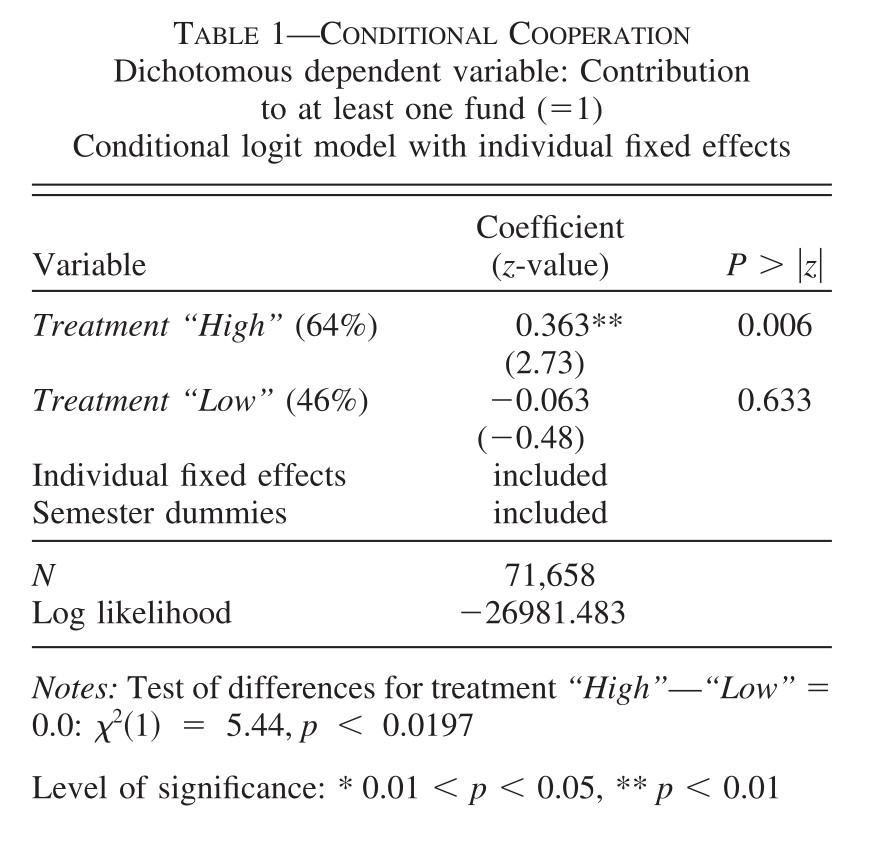 Figure 4.13: Main result of (Frey and Meier 2004)
Students in the High condition are much more likely to make a contribution than the average, while the Low condition seems to have little impact. A disturbing dimension of this experiment is that the numbers provided to both groups are fake: the actual contribution rate among untreated students was 67%, while students polled (an additional 500 sample) thought it stood at 57%. This last point is worth attention: it is a general feature that people tend to under-estimate the frequency of prosocial behaviours, and over-estimate that of uncooperative behaviours. This is of course consistent with a specialisation in detecting non-cooperative behaviours.
4.6 From the lab to the field: prosocial behaviours
One can wonder how these lab experiments translate into the everyday behaviours. In other words, can we rely on these prosocial impulses to design efficient behavioural interventions?
4.6.1 How trustworthy are people in my country?
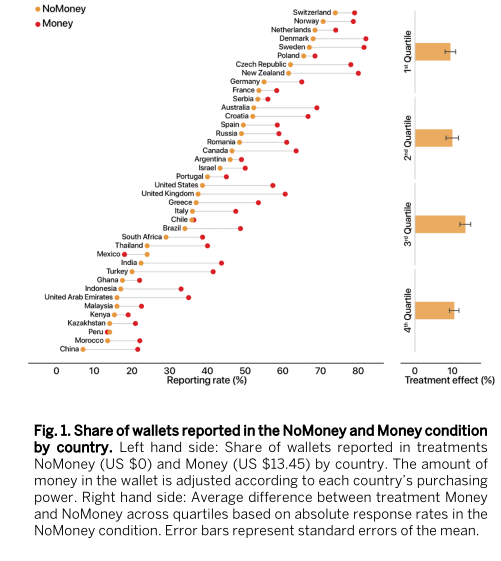
If we jump to adults at a society level, (Cohn et al. 2019Cohn, Alain, Michel Andr’e Mar’echal, David Tannenbaum, and Christian Lukas Zünd. 2019. “Civic Honesty Around the Globe.” Science 365 (6448): 70–73. https://doi.org/10.1126/science.aau8712.) dropped around 17 000 wallets in more than 40 countries, to see how many would be returned and if the presence of money in the wallet would made a difference. The exact setup was that an experimenter, pretending to be in a hurry, dropped a wallet to a sales clerk or barista, saying I’d just found it in the street. In the wallet, there was a varying amount of local money and contact info.
Contrary to the researchers’ expectations, the presence of money increased the share of returned wallets. Moreover, the ranking of countries according to the rates of wallets with money returned tracks fairly well the average responses to the standard generalized trust question (OCDE 2017OCDE. 2017. OECD Guidelines on Measuring Trust. Doi:https://doi.org/10.1787/9789264278219-en. https://www.oecd-ilibrary.org/content/publication/9789264278219-en.): “In general, do you think you can trust people?”. This that in each country, people have a fairly good estimate of their fellow citizens’ honesty.
4.7 Leveraging social cognition
Since we care so much about our reputation, social cognition is a powerful tool for behavioural interventions. What follows is a brief overview of some prominent interventions leveraging social cognition.
4.7.1 Use and dangers of Social norms

As we saw earlier about donations, there is often a mismatch between the assessed frequency of behaviours and their actual frequency. This becomes a problem if a marginal but salient deleterious behaviour is mistaken for a social norm. Binge drinking is a case in point. Despite perceptions, binge drinking has always been a marginal phenomenon on campuses. Most students did not engage in excessive drinking. However, the fact that the practice was highly visible (drunks are loud, in every sense of the term) and publicized make it appear more common than it was. As a result, students tended to over-estimate its frequency, and felt uncomfortable as being the holdouts. Awareness campaigns about the dangers of binge drinking proved ineffective — or even counter-productive — since they added to the salience of the phenomenon.
Many universities then engaged in new, behaviourally-informed intervention in which they published not the harms caused by binge drinking, but the true prevalence of the practice (Prentice and Miller 1993Prentice, Deborah A., and Dale T. Miller. 1993. “Pluralistic Ignorance and Alcohol Use on Campus: Some Consequences of Misperceiving the Social Norm.” Journal of Personality and Social Psychology (US) 64 (2): 243–56. https://doi.org/10.1037/0022-3514.64.2.243.; Wechsler et al. 2003Wechsler, Nelson, Lee, Seibring, Lewis, and Keeling. 2003. “Perception and Reality: A National Evaluation of Social Norms Marketing Interventions to Reduce College Students’ Heavy Alcohol Use.” Journal of Studies on Alcohol 64 (4). https://doi.org/10.15288/jsa.2003.64.484.). Non-drinkers and reasonable drinkers realized they were the majority and felt easier to resist pressure from the heavy drinkers.
A consequence of this sequence is that it seems fairly easy to establish a new social norm with a targeted intervention. Ethical issues aside, the flip side of this plasticity is that social norm interventions are prone to backfire. Energy conservation has provided several illustrations of this phenomenon.
Let us start by underlining a core problem of electricity provision (see (Spector 2006Spector, David. 2006. Electricité: faut-il désespérer du marché ? Opuscules du Cepremap 05. Ed. Rue d’Ulm : Presses de l’Ecole normale supérieure et Cepremap. https://www.cepremap.fr/publications/electricite-faut-il-desesperer-du-marche/.) for an in-depth analysis): a significant share of electricity provision is slow to change output levels (think nuclear power plants). When demand rises, additional, more expensive sources are fired up (often literally, for fuel and gas plants). As a result, peak time wholesale electricity prices can be 100 times higher than off-peak ones. A reduction of peak demand frequency would require 38% less generators, with a substantial reduction in CO2 emission. Such reductions could be achieved with behavioural changes, such as delaying some energy-consuming activities during peak demand times.29 See also the TV pickup phenomenon Given the stakes, many experiments have tried to achieve this, with mixed results.
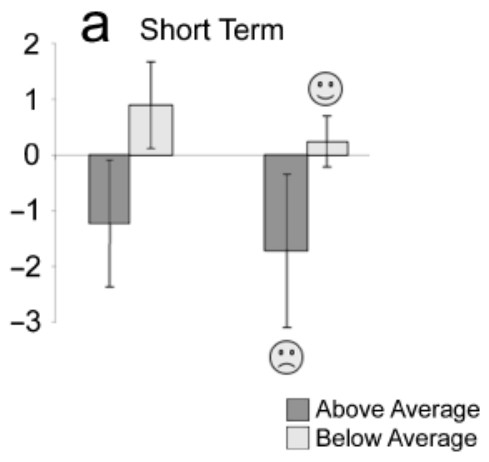
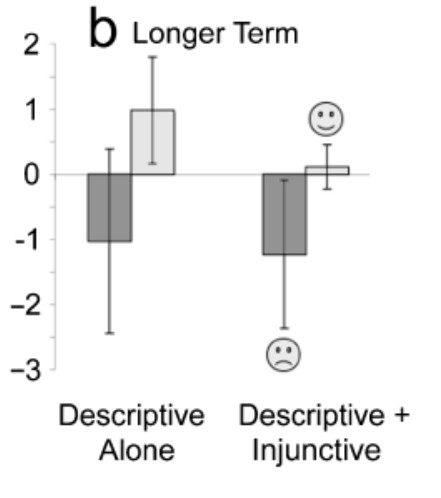
(Schultz et al. 2007Schultz, P. Wesley, Jessica M. Nolan, Robert B. Cialdini, Noah J. Goldstein, and Vladas Griskevicius. 2007. “The Constructive, Destructive, and Reconstructive Power of Social Norms.” Psychological Science 18 (5): 429–34. https://doi.org/10.1111/j.1467-9280.2007.01917.x.) deliberately tested a phenomenon observed in previous energy conservation experiments: people with lower consumption than the stated reference tended to increase their energy consumption, leading to a boomerang effect which reduces the impact of the intervention. In their case, the increase of consumption from initially more sober households fully compensated the energy consumption reduction from initially less sober ones. Fortunately, they were able to cancel the increase by providing an injunctive norm, in the form of smileys, explicitly indicating that the desired behaviour was not the social average, but a lower energy consumption level.
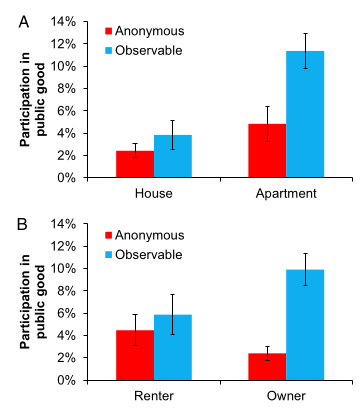
Another approach is to leverage reputation, (Yoeli et al. 2013Yoeli, Hoffman, Rand, and Nowak. 2013. “Powering up with Indirect Reciprocity in a Large-Scale Field Experiment.” Proceedings of the National Academy of Sciences of the United States of America 110 Suppl 2 (June). https://doi.org/10.1073/pnas.1301210110.) being an example. In this experiment, the experimenters tested three conditions:
- Information provision, about the issue with peak demands and the potential savings of reducing energy consumption during peak times.
- A monetary reward of $25 enrolling in voluntary consumption reduction (the existing scheme run by the utility company).
- The same reward and a mailbox sticker (put in place by the utility staff) for participating households.
While information provision had little impact, providing a way to show participation (the sticker) boosted enrollment considerably (up to four times!). Heterogeneous effects analysis showed that this effect was stronger among apartment dwellers (more people see the sticker on the mailbox), and stronger for homeowners who have a larger interest on the long-term relationship with their neighbours.
Intervention relying on social norms should be especially aware of the various, overlapping social groups in the target population. Taking intervention to curb female genital mutilation, (Efferson et al. 2020Efferson, Charles, Sonja Vogt, and Ernst Fehr. 2020. “The Promise and the Peril of Using Social Influence to Reverse Harmful Traditions.” Nature Human Behaviour 4 (1, 1): 55–68. https://doi.org/10.1038/s41562-019-0768-2.) show that the efficacy on interventions depends crucially on targeting the right groups, and to pay attention of the nature on the social norm. If it is percieved as part on the group identify (tradition), breaking the association between group identity and this practice is a prerequisite to any change in norm.
4.7.2 Using reputation to foster political participation
One epitome of prosocial behaviour is voting. Voting implies a cost, and little individual benefit since the odds of being the marginal voter are extremely low. In the US, the cost dimension is significant: unlike in France, elections are typically held on weekdays, requiring people to leave their jobs for extended periods of time that day. At the same time, voting record is a public data in the US: anyone can check whether you voted or not in any given state or federal election (of course, not the content of your vote). (Gerber et al. 2008Gerber, Alan S., Donald P. Green, and Christopher W. Larimer. 2008. “Social Pressure and Voter Turnout: Evidence from a Large-Scale Field Experiment.” American Political Science Review 102 (1): 33–48. https://doi.org/10.1017/S000305540808009X.) leveraged this for a large scale experiment on 180 002 households, close to 250 000 voters.

All household got a common priming message: “Do you civic duty!”, and three-fourth were allocated to three treatment arms:
- Hawthorne effect: a message indicated that their public voting record was included in a study about voting behaviour.
- Self: in addition to the previous information, people were provided with their own previous voting record.
- Neighbours: in addition of the previous information, they got neighbours’ voting records and announcement that an updated record would be sent after the next elections.
Voting participation increased by 1.8 (civic duty), 2.5 (Hawthorne), 4.8 (Self), and 8.1 (Neighbours) points respectively. These are large effect sizes: they are higher than the average effect of phone call campaigns, and of the same order of magnitude of in-person visits, for a fraction of the cost.
One limit of this intervention is that the target population is by construction restricted to people with a pre-existing voting record, missing about 25% of the enfranchised population. The 8.1 effect on registered voters thus translates in a (still sizeable) 6.1 effect on turnout. By comparison, mail registration drives increase turnout by 3 percentages points at most.
4.7.3 Building up new norms from scratch
 Figure 4.14: Building a new norm, one sign at a time
The role of social norms as behavioural anchors and their plasticity means we can actually change what is considered good and bad behaviour. In the US, many neighbourhoods have informal (and even formal) rules about backyard maintenance. Until a few years ago, not having a green, well-trimmed backyard earned you a reputation or laziness, if not a downright fine. Face with water shortages some households stopped watering their backyards during summer, but faced significant pressure. Local authorities supported this change with signs which explicitly designated unwatered lawn as the good behaviour in an environment where water must be conserved.
4.7.4 Behavioural cascades
Social cognition also highlights the fact that perceptions of behaviours matter as much as actual behaviours. This is the core point of (Frank 2020Frank, Robert. 2020. Under the Influence. Princeton University Press. https://press.princeton.edu/books/hardcover/9780691193083/under-the-influence.): over time, behaviours may differ from the norm at a large scale, but most people continue to believe that they are marginal in deviating from the norm. When some shock occur, form example a new medium allows for a larger representation of deviating behaviours, people may rapidly correct their appreciations and abandon the norm
He argues for example that there was in the 1950s already such a discrepancy between the rate of extramarital affairs (kept private) and the professed norm of chastity outside marriage. When cultural products (novels, films, plays) hinted that affairs were actually commonplace, these hints resonated with personal experience, and representations flipped fairly quickly, starting with pre-marital sex. The author argues that we thus misunderstand the role of female contraception in the sexual revolution of the 1970’s: this change of social norms is what made possible to develop female contraception on a large scale in the first place, which of course then acted as an enabler of more change.
4.8 Bottom line: like for any powerful tool, use with caution
Responses to social cognition cues are deeply embedded in our behaviours. We can rely on such cues to meaningfully change behaviours and norms guiding behaviours. This, of course, require a high degree of sensitivity to the pre-existing norms and representations.
4.9 Is cooperation as an innate trait?
Since prosocial behaviours are deeply embedded in the functioning of society, disentangling innate from acquired cooperation may seem a moot point from an applied public policy perspective. However, if cooperation is mostly learned, we’d expect cooperative behaviours to be contingent to the system of punishment and rewards sustaining this learning process, and to be low when the behaviour is not socially observable. Conversely, a reliable innate tendency to cooperate could sustain interventions relying only on intrinsic rewards.
4.9.1 Young children respond to calls for help cues
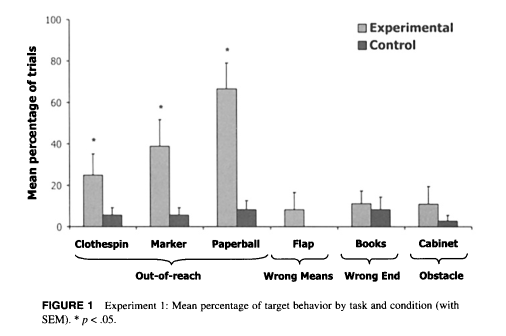
In (Warneken and Tomasello 2007Warneken, Felix, and Michael Tomasello. 2007. “Helping and Cooperation at 14 Months of Age.” Infancy 11 (3): 271–94. https://doi.org/10.1111/j.1532-7078.2007.tb00227.x.) very young children (14 month old) were put in the same room as an experimenter. The experimenter faked having trouble completing a simple task, such as picking up an object or throwing a paper ball in a bin. When the experimenter expressed dismay at the situation, many children tried to help, even when provided with a new toy to play with.30 The same setting was tried on adult chimpanzees. Attempt to help were very rare. Presence of a parent seemed to make little difference, which would be expected if the cooperative behaviour was the consequence of education. This results dovetails with several other experiments showing that prosocial tendencies are observed at a very young age, with a significant innate component.
4.9.2 Reputation awareness emerges early
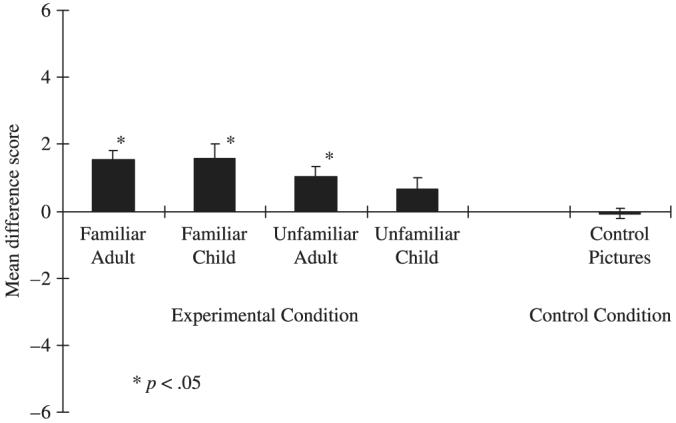 Figure 4.15: Main result from (Fu et al. 2007)
Reputation awareness seems to emerge between 3 and 5, which is fairly early in child development — especially when attention to reputation effects has been largely directed at teenagers. In (Fu and Lee 2007Fu, Genyue, and Kang Lee. 2007. “Social Grooming in the Kindergarten: The Emergence of Flattery Behavior.” Developmental Science 10 (2): 255–65. https://doi.org/10.1111/j.1467-7687.2007.00583.x.), experimenters ask children aged 5 to rate a picture, with the purported author either present or absent. Children give higher grades when the author is present, and when the author is familiar. This response is in line with reputation management, favourable grades providing opportunities for future interactions. This does not work with 3 years old children, which are insensitive to these conditions. It is not an ingroup/outgroup effect: in a complementary experiments, children who have to assign demerits do not select more often outgroup targets.
Since we know from the previous experiment (and others) than even infants are able to notice and act on other peoples’ feelings and needs (they have a sufficient theory of mind for that), we can assume even 3 years old children know the impact of their grades, but a consciousness of the social consequences, emerges only later, leading older children to bias their grades.
4.9.3 The pleasure of giving
Cross-section surveys consistently show a strong correlation between charitable donations and happiness, both at the individual and at the country level. Thus, the World Happiness Report uses the frequency of charitable giving as a proxy for social cohesion at country level (e.g. (Helliwell et al. 2023Helliwell, John F., Richard Layard, J. D. Sachs, Lara B. Aknin, Jan-Emmanuel De Neve, and S. Wang. 2023. World Happiness Report 2023. Sustainable Development Solutions Network; Sustainable Development Solutions Network. https://worldhappiness.report/ed/2023/.)).31 Of course, data availability plays a large role in this choice At an individual level, there is of course a common variable issue: richer people are on average happier and have more disposable income for charitable giving. However, (Aknin et al. 2013Aknin, Lara B., Christopher P. Barrington-Leigh, Elizabeth W. Dunn, et al. 2013. “Prosocial Spending and Well-Being: Cross-cultural Evidence for a Psychological Universal.” Journal of Personality and Social Psychology (US) 104 (4): 635–52. https://doi.org/10.1037/a0031578.) distinctly suggests that charitable actions indeed cause some happiness in the giver. In their experiment, they provided subjects with $20, with the instruction to either spend it on themselves (control group) or to allocated it to a charity in a preset list (treatment group). People giving money reported more positive feelings.
This experiment is impressive because the positive effects of giving are large enough to overcome the expected negative impact of loss aversion and endowment effect. Moreover, a purely instrumental approach to cooperation would have predicted that positive feeling should emerge only in response to gifts which provide some future advantage (building social ties, obligations or reputation), while the gift was anonymous in that case.